


San Lazzaro di Savena
The city crosses the Via Emilia (the *Aemilia*, built by the Roman consul Marcus Aemilius Lepidus between 189 and 187 BC) and lies on the right bank of the Savena stream, 6 km southeast of the center of Bologna. It is connected to the urban area of the main city: only the Savena separates it from Bologna, on whose left bank stands, among other things, the district of the same name.
The municipal territory extends across the plain and along the foothills of the Bolognese hills. It is crossed by several waterways such as the Zena, the Idice stream, and the Savena, as well as a network of smaller watercourses.
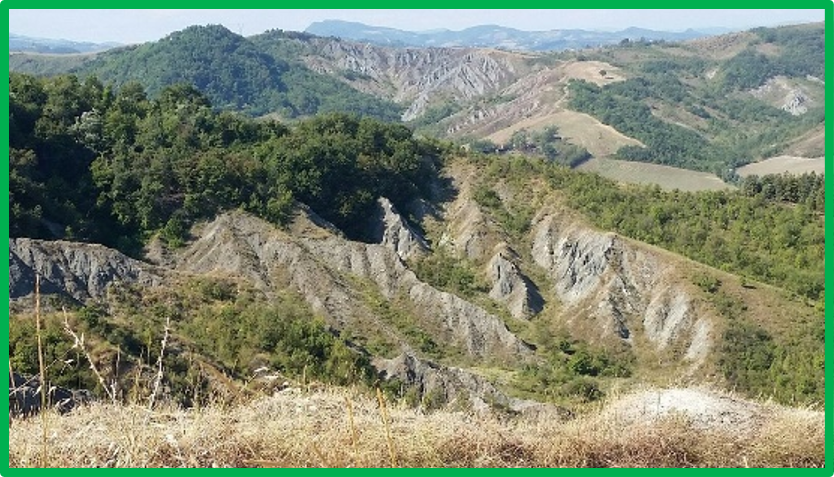
Among its natural features are the Spipola Cave, with its doline and the gypsum outcrops of Farneto and Croara, which together form a karst complex in the gypsum (with about 200 known caves, shaped by the high solubility of gypsum and the erosive action of water). This system, created in particular by the underground stream Rio Acquafredda, extends for over 11 km and is the largest of its kind in Western Europe. It is protected within the *Parco dei Gessi Bolognesi e Calanchi dell’Abbadessa* (Park of the Bolognese Gypsums and the Abbadessa Ravines).


Bologna
Bologna is an Italian municipality with 391,439 inhabitants, capital of the metropolitan city of the same name, and capital of the Emilia-Romagna region. Home to the oldest university in the world, it hosts numerous students who enliven its cultural and social life.
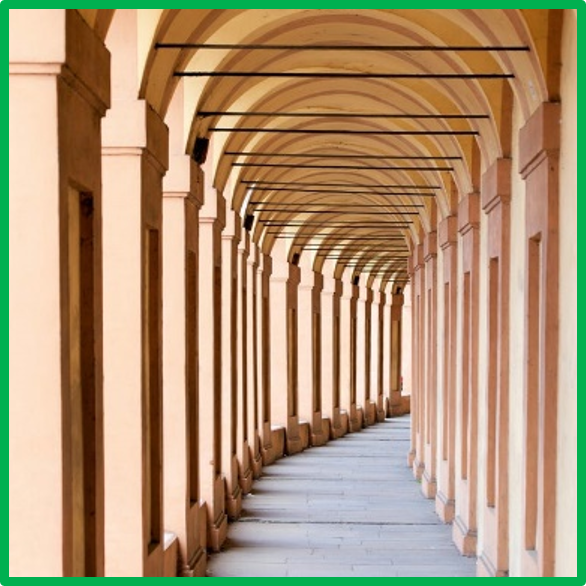
It is known for its towers, long porticoes, and well-preserved historic center, as well as for its vast architectural heritage and one of the largest city centers in Italy.
Bologna is one of the main road and rail transport hubs in Northern Italy, located in an area rich in mechanical, electronic, and food industries.
It is home to prestigious cultural, economic, and political institutions, as well as one of the most advanced exhibition centers in Europe. In 2000, it was one of the European Capitals of Culture.
Some of its porticoes and the natural site of the Bolognese Gypsums are included among UNESCO World Heritage Sites